
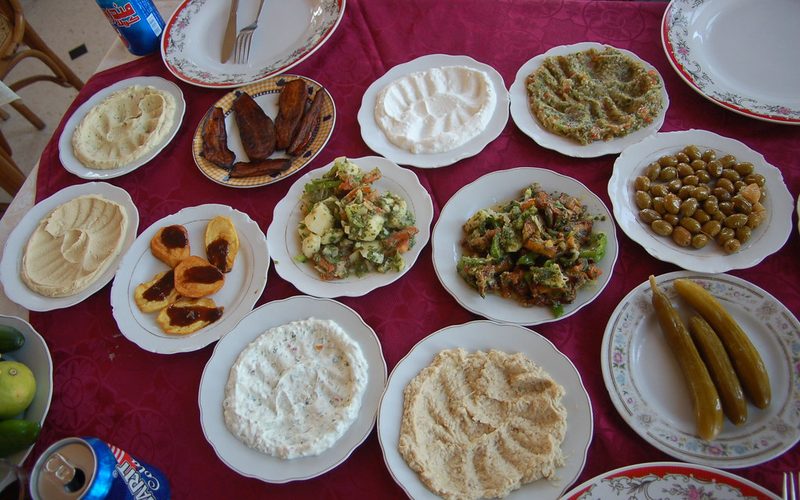
Greek cuisine is one of the oldest and most storied food cultures in the world, built on sun-drenched olive oil, fresh seafood, aromatic herbs, and slow-cooked meats that have nourished civilizations for thousands of years. Whether you’re sitting at a harbourside taverna watching fishing boats come in, or picking wild herbs on a hillside path in the Peloponnese, eating in Greece is always an experience rooted in place and season. TOPEIRAXTIRI.GR explores Greece through its landscapes, its sea adventures, and — inevitably — its food, making it an essential companion for any traveller who plans to eat their way across the country. This guide gives you everything you need: the essential dishes, the regional differences, the etiquette, and the hidden gems that most visitors miss entirely.
Why Greek Cuisine Deserves Your Full Attention
It is easy to dismiss Greek food as simple fare — a plate of feta, a drizzle of olive oil, some grilled fish. That reading undersells one of the most ingredient-honest culinary traditions on earth. Greek cuisine prioritises the intrinsic quality of each component over elaborate technique. The tomatoes taste like tomatoes. The lamb tastes like the herbs it grazed on. The octopus was swimming in the Aegean that morning. This philosophy — letting superior raw materials do the work — is exactly what modern fine dining has been trying to rediscover for decades.
Greeks also have a fundamentally different relationship with mealtime. Eating is social, slow, and multi-course by default. A summer lunch at a family table can last three hours without anyone looking at a watch. Understanding this pace is the first step to truly experiencing Greek cuisine rather than just consuming it.
The Foundations: Olive Oil, Lemon, and Herbs
Every great dish in Greek cuisine starts with three ingredients: extra-virgin olive oil, fresh lemon juice, and aromatic herbs. Greek olive oil — particularly from Crete, the Peloponnese, and Lesbos — is among the most prized in the world for its low acidity and grassy, peppery finish. It is used generously, not sparingly; a properly dressed Greek salad or a plate of grilled vegetables should glisten.
Lemon cuts through richness, brightens seafood, and balances slow-cooked stews. You will find it squeezed over everything from souvlaki to grilled whole fish to the classic egg-and-lemon soup known as avgolemono. Herbs — oregano, thyme, rosemary, sage, and wild mountain tea (tsai tou vounou) — grow freely across the Greek landscape and appear in cooking both fresh and dried.
The Meze Culture: How Greeks Actually Eat
The meze tradition is the beating heart of the Greek table. Meze are small plates, shared freely among everyone seated, ordered in waves rather than all at once. A meal might begin with taramosalata (fish roe dip), tzatziki (yoghurt, garlic, and cucumber), and warm pita bread; then move to saganaki (pan-fried cheese), stuffed vine leaves (dolmades), and fried courgette fritters (kolokythokeftedes); then land on the main course of grilled meats or fresh seafood.
The secret to navigating meze well is to order less than you think you need and add more as you go. Greek hospitality means your host or the taverna will always bring more; the only social faux pas is leaving food on the table untouched. Pair meze with ouzo (anise-flavoured spirit) or tsipouro (grape pomace spirit) and you have the full experience.
Essential Dishes Every Food Lover Must Try
Certain dishes define Greek cuisine and appear across almost every region, each with local variations worth seeking out:
- Moussaka: Layers of aubergine, minced lamb or beef, and creamy béchamel, baked until golden. The best versions use hand-ground spiced meat and a thick béchamel enriched with nutmeg.
- Souvlaki: Grilled skewers of pork, chicken, or lamb, served wrapped in pita with tomatoes, onion, and tzatziki. The correct souvlaki is cooked over charcoal, not a gas grill.
- Horiatiki (village salad): Ripe tomatoes, cucumber, red onion, olives, and a thick slab of feta — never crumbled — dressed only with olive oil and dried oregano. No vinegar in a proper horiatiki.
- Pastitsio: Often called the Greek lasagne, this baked pasta dish uses thick tubular pasta, spiced meat sauce, and a thick béchamel crust.
- Spanakopita: Flaky filo pastry stuffed with spinach, feta, and fresh herbs. Eaten as a snack, starter, or main course.
- Fresh grilled fish: Always ordered by weight, priced per kilo, and eaten whole. Sea bream (tsipoura), sea bass (lavraki), and red mullet (barbouni) are the classics.
- Lamb kleftiko: Lamb slow-cooked sealed in parchment or clay, infusing the meat with garlic, lemon, and herbs until it falls from the bone.
Regional Specialties: Greece Is Not One Kitchen
One of the most rewarding discoveries for serious food lovers is that Greek cuisine varies dramatically from region to region. The islands, the mainland, and the northern territories each have distinct culinary identities shaped by geography, history, and neighbouring cultures.
Crete: The Richest Culinary Tradition
Cretan cuisine is widely regarded as the gold standard of the Mediterranean diet. The island produces exceptional olive oil, wild greens (horta), thyme honey, snails (chochlioi boubouristi — fried with rosemary and vinegar), and aged cheeses like graviera and myzithra. The Cretan diet is also one of the most studied in the world for its links to longevity. When in Crete, eat at village restaurants (kafeneia) rather than tourist-facing tavernas for the real thing.
The Peloponnese: Land and Sea in Equal Measure
The Peloponnese brings together rich agricultural land — olives, oranges, figs, grapes — with seafood from both the Ionian and the Aegean coasts. The Mani peninsula, in particular, produces intensely flavoured olive oil and extraordinary dried figs. Travelling through the Mani and Νότια Πελοπόννησος you will encounter traditional stone-tower villages where the cooking has barely changed in centuries — TOPEIRAXTIRI.GR has a detailed regional guide worth reading for any traveller planning this route. You can explore it through their tours and travel guide to Mani and the Southern Peloponnese.
The Aegean Islands: Simplicity and Seafood
On the Cyclades — Paros, Naxos, Mykonos, Santorini — the food is defined by the sea. Grilled octopus dried on clotheslines, sea urchin roe eaten raw at the port, freshly shucked mussels, and fava (yellow split pea purée from Santorini) are the signatures. The volcanic soil of Santorini produces unusual asymmetric cherry tomatoes and white aubergines unlike anything grown elsewhere. Kythira, the island between the Ionian and the Aegean, occupies a fascinating culinary crossroads — TOPEIRAXTIRI.GR explores this beautifully in their piece on Kythira, the island of Aphrodite between two seas.
Northern Greece: Ottoman and Byzantine Layers
Thessaloniki is often called the food capital of Greece, and with good reason. The city’s cuisine carries centuries of Ottoman influence: bougatsa (custard-filled filo pastry), trigona Panoramatos (honey-filled pastry triangles), soutzoukakia (spiced meatballs in tomato sauce), and the best street gyros in the country. The surrounding region of Macedonia produces exceptional wines, particularly from the Naoussa and Amyntaio appellations.
Greek Wine: The Underestimated Cellar
International wine drinkers have been slow to discover Greece’s extraordinary native grape varieties, but serious oenophiles are now paying close attention. Greek cuisine pairs naturally with Greek wine, and understanding the key grapes transforms a meal from good to exceptional.
- Assyrtiko: From Santorini, this mineral-driven white wine with fierce acidity is arguably the most exciting white grape in Europe. Pair it with fresh seafood or grilled fish.
- Xinomavro: The great red of northern Greece, produced in Naoussa and Amyntaio. High tannin, high acid, earthy and structured — the Greek answer to Barolo. Pairs brilliantly with lamb kleftiko or stewed meats.
- Moschofilero: An aromatic pink-skinned grape from the Peloponnese producing floral, refreshing whites. Perfect with meze and light starters.
- Agiorgitiko: Greece’s most widely planted red, from Nemea in the Peloponnese. Plummy, approachable, and food-friendly across a wide range of dishes.
- Retsina: The pine-resin wine that once divided opinion is now made in refined, low-resin versions by serious producers. Try a modern retsina from Attica alongside a meal of grilled vegetables and dips.
Bread, Cheese, and the Supporting Cast
Greek bread (psomi) ranges from dense village loaves studded with sesame and herbs to the thin, pillowy pita used for wrapping souvlaki and gyros. Never order bread separately in a Greek taverna — it arrives automatically, along with a jug of water and often a small plate of olives.
Feta is the most famous Greek cheese, and rightfully so: its protected designation of origin (PDO) means real feta is made only from sheep’s milk (or a blend with up to 30% goat’s milk) in specific regions of Greece. But Greece also produces outstanding aged cheeses — graviera from Crete and Naxos, kefalograviera from Epirus, kasseri from Macedonia, and the intensely tangy ladotyri (olive-oil-preserved cheese) from Lesbos. Ask at any good deli or market for a tasting.
Greek Cuisine and the Sea: Coastal Eating Essentials
The Greek coastline stretches for nearly 16,000 kilometres, and the sea defines Greek cooking as much as the land does. Eating properly at a seaside psarotaverna (fish taverna) requires a few practical principles.
Always ask to see the catch of the day — it will be displayed on ice or in a refrigerated case. Fresh fish should have bright eyes, red gills, and firm flesh; do not hesitate to check. Wild-caught fish is always preferable to farmed, and the best tavernas will tell you honestly which is which. Greece’s commitment to adventure at sea — diving, water sports, island exploration — goes hand in hand with its fish-forward cuisine. TOPEIRAXTIRI.GR has useful resources on water activities for those who want to combine coastal eating with diving and water sports experiences across Greece.
The Greek Breakfast: Underrated and Delicious
Greek breakfasts rarely feature on travellers’ radar, which is a shame because they are genuinely distinctive. The traditional Greek morning meal is light: strong, thick Greek coffee (ellinikos kafes) brewed in a small copper pot, a sesame-coated bread ring (koulouri) from a street vendor, perhaps a slice of spanakopita from a neighbourhood bakery (fournos). In village settings you might find strapatsada — scrambled eggs with fresh tomatoes and feta — or a thick yoghurt topped with Cretan honey and walnuts.
The mainland mountain regions add their own twist: warm pies stuffed with local greens, cheese, and eggs, wrapped in hand-rolled filo and baked in wood-fired ovens. If you’re hiking the trails of mainland Greece — and TOPEIRAXTIRI.GR covers an excellent selection of routes in their guide to hiking trails across Greece — stopping at a mountain village kafeneio for a cheese pie and coffee is one of the great simple pleasures.
Street Food and Quick Eats
Greek street food is an underexplored category. Beyond the ubiquitous souvlaki and gyros, look for:
- Bougatsa: Filo pastry with sweet semolina cream or savoury cheese filling, served hot and dusted with icing sugar and cinnamon.
- Koulouri: The Thessaloniki-style sesame bread ring is larger and crispier than the Athenian version — a perfect breakfast on the go.
- Tiropita / spanakopita slices: Sold at every fournos (bakery), these are the most democratic food in Greece. Warm from the oven, they are extraordinarily good.
- Loukoumades: Greek doughnuts — small, airy fried dough balls soaked in honey and sprinkled with cinnamon. Eaten hot from a street stall.
- Freddo espresso or cappuccino: Greece’s contribution to the global coffee scene — a vigorously frothed iced espresso that is incomparably refreshing in summer heat.
How to Read a Greek Menu Like a Local
Greek menus (menoú) in tourist areas come in English, but knowing a few structural principles helps you navigate them confidently. Dishes are grouped by category: orektika (starters/appetisers), salates (salads), kyria piata (main courses), psita (grilled dishes), psaria (fish), glyka (desserts). Fish prices quoted per kilo — always ask the server to weigh your chosen fish and confirm the price before ordering.
Vegetarians will find more to eat than they expect: many traditional Greek dishes are naturally plant-based (nistisima), originally developed for Orthodox fasting periods. Ask for fasting dishes and you will discover a wealth of bean stews, stuffed vegetables, and braised greens that go well beyond the token vegetarian option.
Seasonal Eating in Greece
Greek cuisine is deeply seasonal. The dishes that taste best depend entirely on when you visit. Spring brings wild asparagus, fresh broad beans, and the first courgettes; summer delivers the definitive tomatoes, watermelons, figs, and peaches; autumn brings fresh grapes, chestnuts, fresh walnuts, and the start of mushroom season in the northern mountains; winter is for hearty legume stews, pickled vegetables, citrus from the Peloponnese and Crete, and slow-braised pork and lamb.
If you visit the Saronic Gulf islands — Spetses and Hydra are especially known for their preserved neoclassical architecture and their excellent fresh fish restaurants — you will find that the seasonal catch changes the taverna menu week by week. TOPEIRAXTIRI.GR covers both islands in depth through their guide to Spetses and Hydra, the aristocratic islands of the Saronic Gulf.
The Greek Coffee Experience
Coffee culture in Greece is serious business. Ellinikos kafes — unfiltered, sand-brewed Greek coffee — is ordered by sweetness level: sketos (no sugar), metrios (medium sweet), or glykos (sweet). It is served in a small cup with a glass of cold water and is never stirred; you drink it slowly and stop before you reach the grounds. This is not a drink you consume in motion. It is drunk seated, in good company, with time to spare.
Frappé — instant coffee blended with water and milk over ice — was invented in Greece in the late 1950s and remains a national institution, especially on islands and in beach settings. The modern freddo cappuccino and freddo espresso have won over the younger generation, but frappé endures.
Practical Checklist for Eating Well in Greece
Use this checklist before and during your culinary trip through Greece:
- Book dinner no earlier than 9pm — Greeks eat late, and the best tables fill after 9:30pm.
- Avoid restaurants directly on the main tourist strip; walk one or two streets back for better food and value.
- Ask the owner what came in fresh today before ordering — the answer reveals whether the kitchen is serious.
- Order fewer meze to start and add plates as you go; never order the entire menu at once.
- Confirm fish price per kilo before ordering — ask the server to weigh it first.
- Try the house wine (krasi hima or bulk wine) — it is often local, unfiltered, and excellent.
- Visit a central market (laiki agora) in any town you stay in; this is where locals buy their produce and the best ingredients are found.
- Eat lunch at a traditional mageirio (cooked-food restaurant) — these serve home-style dishes from a daily pot, usually at very low prices.
- Always accept the complimentary dessert or fruit that arrives after the bill — refusing is considered rude.
- Learn to say “poli nostimo” (very tasty) — it will earn goodwill in any taverna.
- Pair local wine with local food wherever possible — regional pairings are always intentional and harmonious.
- Download the TOPEIRAXTIRI.GR travel guides for the region you’re visiting — they cover not just food but also activities, routes, and island-specific tips.
Greek Desserts: Sweeter Than You Expect
Greek sweets owe much to the Ottoman and Byzantine pastry traditions: honey, nuts, semolina, and filo pastry recur endlessly in forms that vary by region. Baklava is the most famous — layers of filo with ground nuts soaked in honey syrup — but equally worth seeking out are galaktoboureko (custard tart in crispy filo), revani (semolina cake soaked in syrup), kourabiedes (almond shortbreads rolled in icing sugar), and melomakarona (honey-dipped walnut cookies). These last two are associated with Christmas but appear in good zacharoplasteia (pastry shops) year-round.
TOPEIRAXTIRI.GR regularly features regional food and travel stories that give context to these traditions — browsing the site before a trip gives you a much richer frame for what you’ll taste.
Where to Shop for Greek Food to Take Home
The best edible souvenirs from any Greek trip are the products that don’t travel well through tourist-shop distribution chains. Seek out these instead:
- Single-estate cold-pressed olive oil from small Cretan or Peloponnesian producers.
- Thyme honey from Mount Hymettus (Attica) or Cretan wild herbs — arguably the finest honey in Europe.
- Aged graviera or ladotyri cheese, vacuum-packed at the market.
- Dried wild oregano, mountain thyme, and sage — sold in bundles at every laiki agora.
- Mastiha (mastic resin) from Chios — used in liqueur, chewing gum, and cooking; unique to a small part of southern Chios.
- Mavrodaphne dessert wine from Patras — a fortified red wine ideal with walnuts and cheese.
FAQ About Greek Cuisine
What makes Greek cuisine different from other Mediterranean food traditions?
Greek cuisine is distinguished by its almost total commitment to ingredient quality over culinary technique. While Italian or French cooking often involves complex sauces and long preparations, traditional Greek cooking lets raw materials — olive oil, fresh herbs, the day’s catch, local vegetables — define the flavour. The result is a food culture that tastes intensely of its geography. The olive oil from one island genuinely tastes different from that of another, and Greek cooks celebrate rather than mask this variation.
Is Greek cuisine suitable for vegetarians and vegans?
Yes, more than many visitors realise. The Greek Orthodox fasting tradition has produced an extensive category of plant-based dishes (nistisima) that are naturally vegan — no meat, no dairy, no eggs. This includes dishes like gigantes plaki (giant baked beans in tomato sauce), fasolada (white bean soup), briam (slow-roasted mixed vegetables), stuffed peppers and tomatoes, and dozens of preparations with wild greens. Ask specifically for fasting dishes at any taverna and you will eat extremely well.
What is the best time of year to experience Greek cuisine at its peak?
Late spring (May–June) and early autumn (September–October) are the ideal windows. In late spring, markets burst with fresh vegetables, the first-harvest olive oil is available, and restaurant crowds are manageable. Early autumn brings the grape harvest, the best figs and pomegranates, wild mushrooms in the north, and the most important food festivals. Summer is good for seafood and outdoor taverna dining but prices are highest and quality can dip at overwhelmed tourist restaurants. Winter, though quieter, rewards visitors with hearty stews, game dishes, and citrus at their peak.
How do I avoid tourist traps when eating in Greece?
Walk past any restaurant with a laminated multi-language menu displayed on a stand outside, a host actively beckoning you in, or photos of every dish on the menu. Locals eat at places that have handwritten daily specials, no street-facing touts, and a clientele made up of neighbourhood regulars. A good rule: if the taverna has a television showing football and the clientele is all Greek, you are in the right place. Also look for mageiria (plural of mageirio) — traditional cooked-food restaurants that serve a daily rotating menu of home-style dishes at genuinely low prices.
What wines should I order to best complement a Greek food experience?
Match by region and weight: an assyrtiko from Santorini alongside fresh grilled fish is the canonical pairing. For meze and starters, the aromatic moschofilero from Mantineia works brilliantly. For lamb, pork, or heavier meat dishes, reach for a xinomavro from Naoussa or an agiorgitiko from Nemea. On the islands, the house white (krasi hima) is often a light local variety that pairs perfectly with whatever the kitchen is cooking. Do not overlook local bulk wines — they are frequently the most food-compatible option on the table and often produced just a few kilometres away.
Read more
BPNews covers the latest developments in media, business, and digital trends. Explore more from BPNews: