
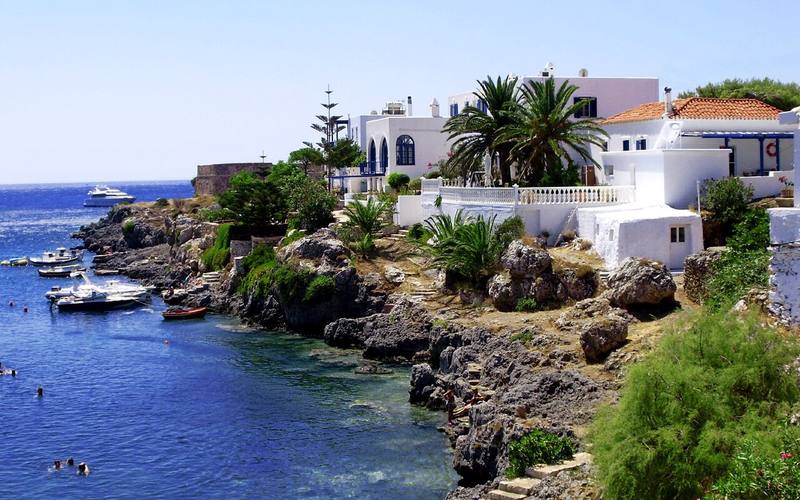
Sexymagazino has always championed the idea that the best travel experiences are found far from the obvious tourist circuit. Kythira — the legendary island of Aphrodite, suspended between the Ionian and Aegean seas south of the Peloponnese — is precisely that kind of destination. Wildly underrated, breathtakingly beautiful, and stubbornly authentic, it rewards every traveller who makes the effort to reach it.
Kythira sits at the southeastern tip of the Peloponnese, separated from Cape Malea by a narrow channel. Administratively part of the Ionian Islands, it feels like neither the Ionian nor the Aegean but something entirely its own — a patchwork of Venetian towers, Byzantine chapels, juniper-scented clifftops, and crystal-clear coves. Whether you are a solo explorer, a couple on a romantic escape, or a family looking for a gentle Greek summer, this guide covers everything you need to plan a truly memorable stay.
Why Kythira Deserves More Attention
Most Greek island guides bury Kythira in a footnote after the Cyclades and the Ionians. That neglect is Kythira’s greatest gift to the traveller who discovers it. The island has no package-holiday infrastructure to speak of — no neon strips, no all-inclusive resorts pressing against each other, no sunbeds stacked three rows deep. What it does have is an extraordinary concentration of natural beauty and historical depth compressed into just 279 square kilometres. The population hovers around three thousand year-round, but the island punches far above its weight culturally, historically, and gastronomically.
Mythology adds another layer of fascination. Ancient sources place the birth of Aphrodite in the sea foam off Kythira’s coast — a rival tradition to Cyprus — and the island wears this heritage lightly but proudly. Temples, shrines, and local festivals all carry traces of the goddess’s legend, and Sexymagazino notes that the island’s unhurried, sensuous atmosphere makes the connection feel surprisingly alive rather than merely academic.
Getting to Kythira: Your Options
Reaching Kythira requires a little planning, but the journey itself sets the tone for the island’s pace. There are three main approaches.
By air. Kythira has a small airport (IATA: KIT) near Potamos in the northeast. Domestic flights connect to Athens (Eleftherios Venizelos) in under an hour. Sky Express operates scheduled services in summer, and the flight time is short enough that even nervous flyers find it comfortable. Seats fill quickly in July and August — book well in advance.
By ferry from Piraeus. LANE Lines and Minoan Lines (depending on season) operate overnight or afternoon ferries from Piraeus calling at Kythira’s main port, Diakofti, in around six to seven hours. This is a wonderful option for those who enjoy the romance of arriving at a Greek island by sea, watching the white-cube architecture emerge from the early morning mist.
By ferry from the Peloponnese. Ferries from Neapoli (Vatika) in the Laconia region make the short crossing to Agia Pelagia in the island’s north in approximately forty-five minutes. This is the most convenient route if you are road-tripping through the Mani or Laconia. Ferries run several times daily in summer, less frequently off-season — always confirm schedules ahead of departure.
Getting Around the Island
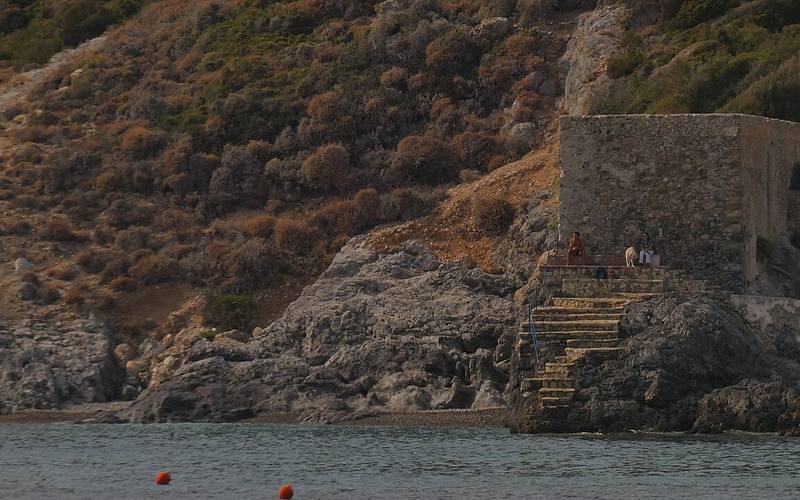
Kythira is not particularly large, but its terrain is hilly and the road network, while good, is narrow in places. Renting a car or a small SUV is by far the best way to explore at your own pace. Several local agencies operate out of Chora (the capital), Potamos, and Diakofti port. A small family hatchback is usually sufficient, though a higher-clearance vehicle helps if you plan to reach the more remote beach tracks.
Scooters and quad bikes are available for hire in summer and suit the island’s winding lanes perfectly. Public bus services exist but are limited — primarily connecting main villages on fixed school-year schedules rather than being a reliable tourist option. Taxis are available and surprisingly affordable for island standards; the local drivers double as unofficial guides and are an excellent source of recommendations.
When to Go: The Best Season for Kythira
Kythira is at its most magnificent from late May through early October. July and August bring the warmest sea temperatures (hitting 25–27 °C), the most reliable sunshine, and the most buzz from returning Greek-Australians — a significant diaspora community whose ancestors emigrated over generations and who return each summer with considerable energy and warmth.
June and September are arguably the sweet spot. The crowds are lighter, accommodation prices are lower, the sea is already warm by June, and the island retains a calm that peak summer dilutes. Spring (April and May) is spectacular for wildflowers, migratory birds, and walking the trails without breaking a sweat — but some tavernas and smaller hotels open only from May or June. October offers golden light, harvest olives, and near-empty beaches, though expect some services to wind down from mid-October onwards. Winter is for serious island devotees only.
Chora: The Capital Worth an Evening
The island’s capital, officially called Kythira but universally known as Chora, perches dramatically above the port of Kapsali on a ridge crowned by a Venetian kastro. The castle itself dates mainly to the thirteenth and fourteenth centuries and commands a panoramic view across the southern sea — on clear days you can spot the distant outline of Antikythira, Kythira’s tiny inhabited satellite island.
The village that cascades down from the kastro is an architectural delight: narrow alleyways, bougainvillea-draped doorways, whitewashed houses trimmed in blue or ochre, tiny churches tucked between residential walls. Spend at least one evening here, arriving in time for the golden hour light on the kastro walls, then staying for dinner at one of the tavernas clustered around the central square. The atmosphere after dark — particularly in July and August, when local festivals animate the square — is genuinely enchanting.
Kapsali: The Postcard Port
Immediately below Chora, the harbour village of Kapsali is Kythira’s most photogenic spot and justifiably its most visited corner. Two sand-and-pebble coves sit side by side, separated by a rocky headland crowned by a small chapel. The water here is exceptionally clear — a turquoise that photographs almost too well to look real — and the combination of the white Chora above and the blue bay below produces a scene that needs no filter.
Kapsali has a handful of cafés, tavernas, and bars along the waterfront. It fills up in August but never reaches the frenetic density of more famous Cycladic ports. A pedalo hire lets you explore the second, quieter cove at your own pace. Sunrise at Kapsali, when the fishing boats return and the morning light hits the kastro, is worth setting an early alarm for.
Best Beaches on Kythira
Kythira has dozens of beaches — some reached by well-marked roads, others requiring a short hike or a boat. Here is a curated selection across the island’s geography:
- Fyrigos (Firi Ammos): A long, sweeping beach of reddish-gold sand in the south, flanked by dramatic red rock formations. One of the island’s finest and most dramatic stretches.
- Paleopoli: A broad beach below the ancient site of Paleopolis, historically linked to the cult of Aphrodite. The sand is wide, the swimming excellent, and the archaeological resonance adds an extra dimension.
- Diakofti: The main ferry port beach — calm, shallow, ideal for families with young children. The water is sheltered and the logistics of parking and facilities are the easiest on the island.
- Agia Pelagia: The northern port village also has a pleasant sandy beach in the bay, popular with Greeks who arrive by ferry from Neapoli.
- Melidoni: A remote cove in the northeast requiring a walk down a rocky path — the reward is total seclusion and some of the island’s clearest water.
- Limni: A gorgeous sandy beach north of Diakofti, sheltered, shallow, and wonderfully peaceful.
- Kaladi: A stunning pebble cove in the southeast, accessible by a steep staircase cut into the cliff. The deep blue water and sheer rock walls make it feel like a secret. Nudism is practised here by tradition.
Villages Worth Exploring Inland
Kythira’s interior is as rewarding as its coast, perhaps more so for those who want to understand the island’s character. The village network is dense — over sixty settlements in total — but a handful stand out.
Potamos is the island’s commercial hub and largest settlement, located in the north. A Sunday morning market here draws locals from across the island and offers a genuine, non-touristic slice of Kythiran life. The covered market building, the kafeneions (traditional coffee houses), and the hardware shops all signal a working village that has not dressed itself up for visitors.
Mylopotamos is a village of extraordinary beauty in the centre-west of the island, known for its traditional watermill, its plane-tree-shaded square, and a spectacular gorge that drops to the sea at the beach of Limnionas. The village has a Venetian tower and a Byzantine church, and the short gorge walk to the beach is one of the island’s best short hikes.
Kato Chora, near Mylopotamos, is essentially a deserted medieval settlement built inside a Venetian fortress — a ghost town frozen in time, with roofless houses and narrow lanes that feel genuinely archaeological without the management of an official site.
The Cave of Agia Sophia
Arguably Kythira’s most remarkable single attraction, the Cave of Agia Sophia is located near Kato Chora on the island’s western flank, accessible via a path that drops to a clifftop opening above the sea. Inside, a small Byzantine chapel — one of the most atmospheric in all of Greece — is tucked into the cave’s mouth, with frescoes dating to the twelfth and thirteenth centuries. Beyond the chapel, the cave extends into a series of chambers decorated with stalactites and stalagmites. The cave is open seasonally; check local notices for current hours.
The walk to the cave entrance, above crashing waves on exposed cliffs, is itself a highlight. Wear sturdy shoes and bring a small torch for the inner chambers, though basic electric lighting is installed. This is one of those sites where the combination of natural drama and Byzantine devotion produces something genuinely moving.
Antikythira: The Tiny Satellite
For the truly adventurous, the island of Antikythira lies roughly 38 kilometres south of Kythira and is one of the most remote permanently inhabited islands in Greece, with a population of under fifty. Seasonal ferry connections from Kythira’s Diakofti port allow day trips or overnight stays (the island has a handful of rooms for rent). Antikythira is most famous as the findspot of the Antikythera Mechanism — the ancient Greek analogue computer recovered from a shipwreck in the early twentieth century — and the diving around the wreck site is legendary among experienced divers. The island has no cars, almost no tourism infrastructure, and offers a level of solitude that is becoming increasingly rare in the Aegean.
Food and Drink on Kythira
Kythiran cuisine is rooted in Peloponnesian and Venetian traditions with a strong emphasis on local produce. The island has a long honey-making tradition — Kythira thyme honey is considered among the finest in Greece and makes an essential souvenir. Olive oil is excellent and abundantly produced; pick up a bottle directly from producers in Potamos or from the island’s small supermarkets.
Seafood is predictably good along the coast — grilled octopus, fresh sea bream, and local shrimp are standards at waterfront tavernas in Kapsali, Diakofti, and Agia Pelagia. Inland tavernas lean towards meat dishes: slow-roasted lamb, sausages flavoured with local herbs, and cheese pies made with soft local cheese. The Kythiran pasta dish known as onion macaroni (makarounes with caramelised onions and local cheese) is unique to the island and not to be missed.
Local wine production is modest but authentic. For spirits, the local firewater — tsikoudia or grape marc brandy — is offered at the end of most meals in traditional establishments as a gesture of hospitality.
Where to Stay: Accommodation Guide
Kythira’s accommodation landscape is boutique by nature. There are no international chain hotels on the island, which for most visitors is precisely the point. Options range across several categories:
Luxury and boutique. A handful of beautifully restored Venetian tower houses and traditional stone mansions have been converted into upscale guesthouses — particularly around Chora and Mylopotamos. These typically offer four to eight rooms, pool or terrace access, and a level of personalised service that larger hotels cannot match. Book months in advance for summer.
Mid-range. Studios and apartments are widely available across the island, particularly in Kapsali, Agia Pelagia, and Diakofti. Many are family-run and extremely well maintained. Self-catering suits Kythira well, as local markets in Potamos and smaller shops across the island supply excellent fresh produce.
Budget. Rooms for rent (domátia) in the traditional Greek style still exist in many villages. These are simple, clean, and offer a genuine local experience. Camping is permitted at designated sites; informal beach camping is technically not allowed but widely practised in remote areas.
Wellness and the Slow Travel Philosophy
Kythira is almost perfectly designed for slow travel — the philosophy of moving through a destination at the pace of daily life rather than ticking attractions off a list. The island’s minimal crowd levels, its network of footpaths through olive groves and juniper scrub, and its culture of long meals and evening conversation all conspire to decompress even the most wired urban traveller.
Walking and light hiking are rewarding activities: the gorge walk at Mylopotamos, the coastal path above Kapsali, and the trails around Paleopoli all offer accessible routes with significant natural beauty. For those who incorporate wellness into their travel, the island’s serene environment provides an ideal setting — outdoor yoga sessions on a clifftop or beach at dawn feel natural here in a way they might not in a more hectic destination.
The island’s air quality is exceptional — Kythira sits at the crossroads of sea breezes from multiple directions, and the absence of industry or heavy traffic keeps it remarkably clean. Sexymagazino regularly emphasises the connection between mindful travel and wellbeing, and Kythira exemplifies how a destination can nourish both simultaneously.
Health Considerations for Your Trip
Standard European health insurance (EHIC / GHIC for EU and UK travellers) is valid in Greece, though private travel insurance is always advisable for remote island travel. The nearest major hospital is in Sparta on the Peloponnese mainland; Kythira has a small medical centre in Potamos with a doctor and nurse. Pharmacies operate in Potamos and Chora.
Sun protection is essential from May through September — the island’s sea breezes can mask the intensity of the sun and burns happen quickly. Stay well hydrated; tap water is drinkable across the island. Walking on rocky coastal paths requires sturdy footwear. For general heart health and circulation, the combination of walking, fresh Mediterranean food, and reduced stress that Kythira offers is genuinely therapeutic — consider this trip your annual reset button.
Digital Life on the Island
Kythira has reasonable mobile connectivity on the major Greek networks (Cosmote, Vodafone, Wind) in the main villages, though coverage can be patchy in remote coastal areas and gorges. Most accommodation providers and tavernas offer Wi-Fi, typically reliable enough for messaging and light browsing. For those who need to stay productive during their trip — catching up on online learning courses or working remotely — a local Greek SIM card (widely available in Athens before departure) is the most reliable option.
One practical note: ensure your devices are secure before travelling. Using public Wi-Fi networks in cafés and hotels without adequate computer protection can expose personal data. A reputable VPN and up-to-date security software are sensible travel companions in any destination, and Kythira is no exception.
Packing for Kythira: A Practical Checklist
- High-factor sunscreen (SPF 30 minimum; SPF 50 recommended for the beach)
- Sturdy walking shoes or light hiking boots for gorge and cliff paths
- Water shoes or reef sandals for rocky beach entries
- A good-quality sarong (doubles as beach mat, picnic blanket, and evening cover-up)
- Lightweight rain layer — April, May, and October can bring brief showers
- Reusable water bottle — stay hydrated in the heat
- Small daypack for beach and walking excursions
- Cash — many smaller tavernas and shops do not accept cards
- Offline maps downloaded for the island (Maps.me or Google Maps offline area)
- A torch for the Cave of Agia Sophia and evening walks on unlit village lanes
- Insect repellent for evenings in olive grove areas
Shopping and Souvenirs
Kythiran honey is the non-negotiable souvenir — rich, dark, and complex from the island’s wild thyme and heather flora, it far surpasses supermarket Greek honey in character. Local olive oil is similarly worth bringing home. Traditional Kythiran ceramics, hand-woven textiles, and locally made jewellery can be found in small shops in Chora and Potamos. The island’s Sunday market in Potamos is the best place to shop alongside locals for food, handicrafts, and household goods.
For fashion-conscious visitors who care about how they dress on holiday, fashion & style tips from Sexymagazino offer practical guidance on building a capsule travel wardrobe that handles both beach days and taverna evenings elegantly — always a relevant consideration when you want to travel light but look effortlessly put together.
Kythira for Families
Kythira is an excellent family destination. The beaches at Diakofti, Agia Pelagia, and Limni are shallow and calm enough for young children. The island’s low crime rate, unhurried pace, and friendly local population make it feel genuinely safe and welcoming. Children respond particularly well to the cave visit at Agia Sophia, the castle at Chora, and the freedom to roam that smaller, quieter destinations naturally offer. The Greek-Australian community’s summer presence means the island has a strong family culture in the peak weeks of July and August — you will not feel out of place with children in tow at any hour of the day.
Kythira for Couples
For romantic travel, Kythira is close to unbeatable in the Greek island spectrum. The mythological connection to Aphrodite lends a pleasing narrative frame, but the practical reality is even more compelling: sunsets from the kastro at Chora, private coves reached by footpath or kayak, long seafood dinners in waterfront tavernas, and the kind of unhurried evenings where conversation can breathe. Several boutique guesthouses specifically market themselves to couples and offer candlelit terraces, private plunge pools, and the sort of discreet attentive service that makes a difference. Sexymagazino recommends booking a cave-view room or a restored tower house for maximum atmosphere.
Sustainable Travel on Kythira
Kythira’s small population and fragile ecology mean that responsible travel choices matter more here than on heavily visited islands. Several practical principles apply: carry your rubbish off remote beaches; avoid single-use plastic by refilling a reusable bottle; choose local tavernas over any (hypothetical) chains; hire from local car rental operators rather than mainland-based companies; and respect the no-camping rules in protected coastal areas. The island’s wildflower meadows and bird habitats — Kythira is an important stopover for migratory raptors in spring — are fragile and worth treating with care.
Frequently Asked Questions
Is Kythira suitable for first-time visitors to Greece?
Absolutely, though it is not the easiest Greek island to reach. If you are visiting Greece for the first time and want a genuinely authentic, uncrowded experience rather than the well-worn Santorini-Mykonos circuit, Kythira rewards the extra logistics involved in getting there. Spend a night in Athens or Nafplio on the Peloponnese either side of the island visit to make the most of the trip.
How many days do you need on Kythira?
A minimum of four to five days allows you to see the main beaches, visit Chora and Mylopotamos, explore a couple of inland villages, and relax without feeling rushed. Seven to ten days is better if you want to reach the more remote beaches, hike the gorge trails, and take a day trip to Antikythira. The island rewards staying longer — it reveals itself gradually.
Is English widely spoken on Kythira?
Yes, to a degree that may surprise visitors. The large Greek-Australian diaspora community means that many locals — particularly in the hospitality sector — speak excellent English. Even in more traditional kafeneions, basic communication in English is usually possible, and Greeks are invariably patient and warm with foreign visitors who make any attempt at Greek phrases.
When should I book accommodation for summer?
For July and August, book accommodation at least three months in advance — the island’s limited bed stock fills quickly, particularly in boutique guesthouses and the more desirable Kapsali studios. For June and September, four to six weeks ahead is usually sufficient. Outside peak season, last-minute booking is generally fine.
Are there water sports available on Kythira?
Water sports facilities are less developed than on major Cycladic or Ionian islands, but kayak hire, snorkelling gear rental, and occasional sailing tours are available in Kapsali and Agia Pelagia in summer. Scuba diving around the coast — particularly in the northeast near Diakofti — is excellent for intermediate and advanced divers. The waters off Antikythira attract serious wreck divers.