
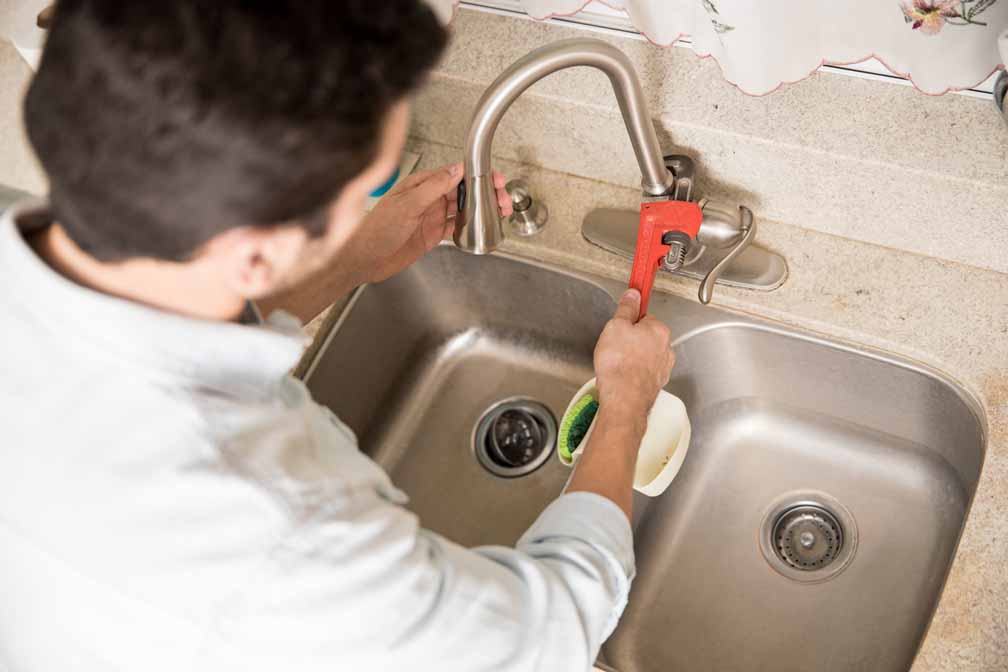
When a pipe bursts at 2:13 a.m., nobody opens a laptop and starts “researching brands.” They grab their phone, type something frantic like 24 hour plumber near me or emergency plumber open now, and call the first company that looks trustworthy enough to solve the problem fast.
That’s exactly why 24 hour plumber SEO is different from standard local SEO. The stakes are higher, the search intent is hotter, and the window to win the job is tiny. In many markets, you’re not competing against every plumber in town. You’re competing against the handful of businesses that show up immediately, look credible, and make calling feel easy.
At Divramis, our plumbing SEO company team has spent over a decade helping roofing companies, contractors, and local home-service businesses climb Google’s rankings with white-hat strategies, transparent reporting, and measurable lead growth.
We’ve seen this pattern across competitive service industries: when urgency rises, rankings alone aren’t enough. You also need the right keyword targeting, a sharply built Google Business Profile, service pages that match emergency intent, and trust signals strong enough to overcome hesitation in a stressful moment. A beautiful website that loads slowly or hides the phone number is practically invisible when someone has water flooding the kitchen.
For plumbing companies that offer after-hours or round-the-clock service, SEO isn’t just about “more traffic.” It’s about turning search visibility into high-value emergency calls. Done right, it can create a steady flow of leads without relying entirely on expensive pay-per-click campaigns or lead marketplaces.
In this guide, we’ll break down how to build an SEO strategy for emergency plumbing services today: what keywords matter, what pages you actually need, how to improve local rankings, and which website fixes increase calls fast. We’ll also cover how to measure results over time so your visibility keeps compounding instead of stalling out.
Why SEO Matters More For 24-Hour Plumbers Than Standard Plumbing Services
Emergency plumbing has one big advantage: the customer usually wants help now, not next month. That urgency changes the economics of marketing.
For standard plumbing services, people may compare quotes, read multiple websites, or wait a few days before booking. For a midnight leak, overflowing toilet, burst pipe, or failed water heater, the buying cycle collapses into minutes. That means ranking well in search can produce calls from people who are ready to hire immediately.
This is why 24 hour plumber SEO often delivers a stronger short-term return than SEO for slower-moving services. The lead intent is high, the need is obvious, and the service value is typically higher than a routine maintenance visit. One well-placed ranking can generate jobs worth hundreds or thousands of dollars.
There’s another factor: availability is part of the product. Many plumbing companies mention emergency service, but fewer truly optimize around it. That creates a gap in local search results. If your site, local listings, and service pages clearly communicate 24/7 availability, rapid response, and coverage areas, you can outperform competitors that treat emergency service like a side note.
We also need to think defensively. If your business offers after-hours service and doesn’t rank for emergency searches, Google will hand those calls to someone else. Often, it’s not the “best” plumber that wins. It’s the business that appears fastest, looks legitimate, and removes friction from the calling decision.
For service businesses in competitive markets, this is exactly the kind of SEO opportunity we focus on at Divramis: high-intent traffic where visibility, trust, and conversion design work together. For emergency plumbers, that combination matters even more because the customer doesn’t want a long journey. They want reassurance, speed, and a number to tap.
How Emergency Search Intent Changes Keywords, Content, And Conversions
Search intent for emergency plumbing is unusually intense. The person searching isn’t casually learning. They’re trying to stop damage, restore water, protect property, or prevent a bad night from getting worse.
Because of that, emergency queries tend to include language like:
- 24 hour plumber near me
- emergency plumber open now
- burst pipe repair tonight
- sewer backup help immediately
- water heater leaking emergency plumber
These keywords aren’t just variations. They reveal what the user values most: speed, proximity, availability, and confidence that someone will answer.
That changes your content strategy. A generic plumbing homepage stuffed with every service under the sun won’t convert as well as focused pages built around urgent needs. Emergency visitors scan, not read deeply. They look for proof points: “Open 24/7,” “Licensed and insured,” “Arrives fast,” “Serving [city],” “Call now.” If those signals aren’t obvious in the first few seconds, bounce rates go up and conversions drop.
It also changes how we write. Standard local SEO content can spend more time educating. Emergency content should lead with action and certainty. You still want relevant SEO copy, but the page has to answer the real questions immediately:
- Are you available right now?
- Do you serve my area?
- Can you fix this issue?
- How fast can I reach you?
- Can I trust you in an emergency?
Conversion behavior is different too. In many cases, the primary conversion isn’t a form fill. It’s a phone call. That means page layout, mobile usability, click-to-call buttons, call tracking, and visible business hours are part of SEO performance, not separate concerns.
In other words, search intent doesn’t just choose the keyword. It shapes the entire path from ranking to revenue.
The Best Keywords For 24-Hour Plumber SEO
The best emergency plumbing keywords usually sit at the intersection of service + urgency + location. We want phrases that reflect immediate need, not just broad plumbing interest.
A strong keyword set typically includes these groups:
Core emergency keywords
- 24 hour plumber
- emergency plumber
- 24/7 plumber
- plumber open now
- emergency plumbing services
Local modifiers
- 24 hour plumber near me
- emergency plumber in [city]
- after hours plumber [city]
- emergency plumbing company [suburb]
Problem-specific keywords
- burst pipe repair [city]
- clogged drain emergency plumber
- sewer backup repair emergency
- water heater leaking plumber
- overflowing toilet plumber now
Commercial trust keywords
- licensed emergency plumber
- same day plumber [city]
- fast response plumber
- affordable emergency plumber
The mistake we see often is targeting only one head term like emergency plumber. That keyword matters, sure, but it’s rarely enough. Search demand fragments across neighborhoods, service types, and urgency wording. A better approach is building clusters around real incidents.
Read more: Boost your reputation with a Google review link setup
For example, someone with a sewage problem may never search 24 hour plumber. They may search sewer backup cleanup plumber near me. Someone with no hot water at night may use emergency water heater repair. If your website has no dedicated page for those problems, you miss traffic that’s already qualified.
Keyword research tools help, but we shouldn’t rely on volume alone. Many emergency queries are low-volume individually and high-value collectively. One call from a burst pipe keyword can be worth more than a hundred low-intent visits.
We also recommend checking Google’s autosuggest, People Also Ask, competitor title tags, Google Business Profile categories, and actual customer call language. How people talk during a stressful plumbing issue often reveals better keywords than a spreadsheet does.
For, entity relevance and local topical depth matter more than exact-match repetition. So we optimize for themes and intent, not just rigid keyword density.
Core Service Pages Every Emergency Plumbing Website Needs
A lot of plumbing websites try to make one page do everything. That usually weakens rankings and conversions.
For 24 hour plumber SEO, we need a clean service-page structure that maps directly to emergency search behavior. At minimum, the website should have one strong primary emergency page and several focused supporting pages for major high-intent problems. This helps Google understand topical relevance and gives users a page that matches their exact situation.
The goal isn’t to create dozens of thin pages with slightly different wording. It’s to build a tight set of useful, location-aware pages that each solve a real search need. The stronger the match between query and page, the better your chances of ranking and getting the call.
A good architecture often looks like this:
- Main 24-hour plumber page
- Emergency drain cleaning page
- Burst pipe repair page
- Emergency water heater repair page
- Sewer backup page
- Optional city pages for major service areas
Each page should have unique copy, a clear headline, fast access to the phone number, service-area references, FAQs, and evidence that you really offer after-hours help.
And yes, internal linking matters. The main emergency page should link to the problem-specific pages, and those pages should link back to the main service page and contact path. That creates a strong topical cluster around emergency plumbing.
Below are the most important core pages to prioritize first.
24-Hour Plumber
Your main 24-hour plumber page is the cornerstone of the entire emergency SEO strategy. This is the page most likely to target broad, high-intent phrases like 24 hour plumber near me, emergency plumber, and plumber open now.
This page needs to do several jobs at once:
- Clearly state 24/7 or after-hours availability
- Identify service areas and major cities
- Explain the emergency issues you handle
- Make calling frictionless on mobile
- Build trust fast with reviews, credentials, and response expectations
The headline and intro matter a lot. Don’t bury the offer under clever branding language. Lead with the actual service. If you serve multiple locations, mention the primary city in the title tag, H1 support copy, and visible page text.
We also like adding sections that answer emotional concerns, not just technical ones. Someone dealing with flooding isn’t only asking, “Do you repair pipes?” They’re wondering whether you’ll answer the phone, whether you can arrive quickly, and whether they’re about to be overcharged at 1 a.m.
Strong page elements include:
- Sticky click-to-call button
- “Open 24/7” messaging near the top
- Trust badges or licensing info
- Short response-time explanation
- List of emergency plumbing issues handled
- Real customer testimonials
- FAQ section covering common concerns
Avoid generic filler like “We are the best plumbing company in your area.” It says nothing. Specificity converts better: “Available nights, weekends, and holidays,” or “Serving homeowners and businesses across [areas].”
If you only build one emergency SEO page this month, build this one properly.
Emergency Drain Cleaning, Burst Pipes, Water Heater, And Sewer Backup Pages
Problem-specific pages are where a lot of high-intent traffic gets won.
Read more: Eleven best call-to-action messages to raise SEO CTR
Take emergency drain cleaning. People may search for clogged drain emergency plumber, main drain backup, or drain cleaning open now. A focused page can address warning signs, what immediate steps to take, and why urgent help matters if wastewater is backing up.
Burst pipe pages are especially valuable in colder climates or older housing stock. These searches are urgent and often expensive. The page should cover symptoms, immediate safety steps, likely causes, and the kinds of repairs your team performs.
Emergency water heater pages should target situations like leaking tanks, no hot water, strange noises, or pressure-related issues. Some users are dealing with failure: others are trying to prevent one. We can serve both intents while keeping the page conversion-focused.
Sewer backup pages deserve special attention because the searcher is often dealing with stress, odor, contamination risk, and possible property damage. This page should communicate seriousness without sounding alarmist. Explain what qualifies as an emergency and when to call immediately.
For each of these pages, we recommend including:
- Issue-specific keywords and synonyms
- Location references where relevant
- Immediate next steps the customer can take safely
- Why the issue becomes more expensive if delayed
- A clear “call now” path
- Photos, service examples, or FAQs where possible
The trick is relevance. Don’t just copy the same layout four times and swap nouns. Google is better than that, and customers can feel the sameness too. Each page should reflect the real differences between these plumbing emergencies.
That depth helps rankings, but more importantly, it helps a panicked user feel understood. And that’s often what earns the call.
How To Optimize Your Google Business Profile For After-Hours Calls
For many emergency plumbers, the Google Business Profile drives as many calls as the website, sometimes more. If your listing is weak, incomplete, or confusing about after-hours service, you’ll lose visibility exactly when intent is strongest.
Start with the basics done right:
- Primary category: usually Plumber
- Secondary categories that genuinely fit, such as Drainage service or Water heater repair service
- Accurate service areas
- Current phone number
- Website link pointing to the main emergency page
- Business description that mentions 24/7 or emergency availability naturally
Hours are critical. If you truly offer round-the-clock service, your listing should reflect that. If you offer limited emergency coverage outside normal hours, don’t fake 24/7 availability. Misalignment causes bad reviews and lower trust.
Photos also matter more than many owners expect. Add branded vehicle photos, team photos, equipment, before-and-after work, and real jobsite images. A profile with recent visual activity feels alive and credible.
Use Google Posts sparingly but strategically. Posts about emergency services, winter burst pipe prevention, sewer backup help, or holiday availability can reinforce relevance. They won’t replace rankings, but they support engagement.
The Q&A section is underrated. Seed common questions with clear answers:
- Do you provide emergency plumbing at night?
- How quickly can someone respond?
- Which neighborhoods do you serve?
- Do you handle burst pipes and sewer backups?
Reviews are part of GBP optimization too, especially reviews that mention emergency situations, response speed, and professionalism.
Finally, monitor calls, direction requests, and message interactions from the listing. For emergency SEO, your Google Business Profile isn’t a citation asset sitting in the background. It’s a conversion surface. Treat it like one.
Local SEO Signals That Help You Rank In The Map Pack
Map Pack rankings come from a mix of relevance, distance, and prominence. You can’t control proximity, but you can absolutely improve the other two.
For emergency plumbing, the most important local SEO signals usually include:
Consistent NAP data
Your business name, address, and phone number should be consistent across major directories, local listings, your website, and social profiles. Inconsistency creates noise.
Proper local landing pages
If you serve multiple cities or neighborhoods, build pages that are actually useful, not doorway pages with swapped city names. Include local references, service details, testimonials, FAQs, and driving relevance.
Read more: AI-first search and the new SEO strategy for Google
Review quality and freshness
A steady flow of real reviews, especially ones mentioning emergency plumbing problems and locations, strengthens local credibility.
Local backlinks
Links from local chambers, trade associations, suppliers, home service directories, community organizations, and regional media still help. You don’t need spammy volume. You need believable local authority.
On-page local relevance
Your site should clearly connect emergency services to service areas. That means city mentions, schema markup where appropriate, embedded map signals, and local proof such as case examples or reviews.
Behavioral performance
While Google doesn’t publish a neat formula, better click-through rates, more calls, more branded searches, and stronger engagement usually correlate with stronger local visibility over time.
One more note: proximity-heavy searches can be brutal in dense markets. If you’re not located close to the searcher, you may still rank organically even when you don’t hit the top 3 map results. That’s why smart 24 hour plumber SEO doesn’t rely on the map pack alone.
We build local visibility as a layered system: website rankings, Google Business Profile strength, reviews, and local authority. That’s how you reduce dependency on one fragile source of leads.
Website SEO Fixes That Turn Urgent Visitors Into Phone Calls
A lot of emergency plumbing websites don’t really have a traffic problem. They have a conversion problem.
Someone lands on the page with a clear need, but the site loads slowly, the phone number is tiny, the page is cluttered, or the message feels vague. In emergency situations, those little frictions kill leads.
The highest-impact website fixes usually include:
Make the phone number impossible to miss
Put it in the header, make it clickable on mobile, and repeat it in strong call-to-action areas. A sticky mobile call button is almost mandatory.
Improve page speed
Emergency visitors won’t wait. Compress images, reduce unnecessary scripts, and prioritize fast loading on mobile networks. Core Web Vitals still matter, but so does simple common sense.
Match the headline to the problem
If the page ranks for burst pipe repair, the first thing users should see is that you handle burst pipes now. Relevance lowers hesitation.
Simplify forms
For emergencies, forms should be short. Name, phone, issue, and maybe ZIP code. Better yet, make calling the primary action.
Add trust close to the CTA
Place reviews, ratings, licensing information, guarantees, and service-area proof near call buttons. Trust shouldn’t be hidden on a separate page.
Design for scanning
Use short paragraphs, bullets, clear subheadings, and obvious next steps. Panicked users don’t read like relaxed users.
Also: don’t let your homepage do all the work. Landing visitors on tightly matched service pages usually performs better than pushing everyone to a generic homepage.
If your rankings improve but call volume doesn’t, the website experience is usually where we look next. SEO gets the click: page design earns the booking.
How Reviews, Reputation, And Trust Signals Influence Emergency Bookings
In emergency plumbing, trust gets compressed into a few seconds.
Read more: How to optimize your site for voice search queries
The searcher may compare only two or three businesses before calling. They don’t have time for a full evaluation, so they lean on fast trust signals: reviews, rating count, response language, professionalism, and visible proof that you’re legitimate.
Reviews influence both rankings and conversions, but not all reviews are equal. For emergency services, the most persuasive reviews mention details like:
- Fast response time
- Night or weekend availability
- Specific issue solved
- Professional behavior in stressful situations
- Fair communication or pricing transparency
A review that says “Great company.” is nice. A review that says “They answered at 11:30 p.m. and fixed a burst pipe before major water damage spread” is much more powerful.
We recommend asking happy customers for reviews soon after the job, while the experience is still vivid. Make the process easy with a direct link. And don’t ignore negative reviews. A calm, professional response can actually build trust, especially in service industries where occasional friction is inevitable.
Beyond reviews, trust signals on the website matter too:
- License and insurance details
- Years in business
- Real team or truck photos
- Memberships or certifications
- Service guarantees where appropriate
- Clear service-area coverage
Reputation also extends beyond your own website and GBP. Third-party directories, BBB-style listings, local business platforms, and mentions from local organizations can reinforce authority.
In a perfect world, customers would compare every technical detail. In the real world, they’re standing in water, holding a phone. The company that feels safest often wins. Strong reputation signals help you become that company.
Content Strategies That Capture High-Intent Local Traffic
Content for emergency plumbers shouldn’t become a library of fluffy blog posts nobody reads. It should support rankings for real local problems and move users closer to a call.
The best-performing content strategies usually include a mix of service content, local relevance, and selective educational content.
Build local problem-solving articles
Think topics like:
- What to do before the emergency plumber arrives
- Signs a clogged drain is becoming a sewer backup
- How to shut off water during a burst pipe
- When a leaking water heater becomes an emergency
These topics attract long-tail traffic and can internally link to your emergency service pages.
Create city-specific support content
If you serve multiple towns, useful local pages can target issues tied to housing age, climate, building types, or common infrastructure problems in that area.
Use FAQ content to capture voice and mobile search
People search conversationally, especially on phones: Can I call a plumber at night? Who fixes burst pipes near me? FAQ sections can help capture those query patterns.
Publish seasonal emergency content
Winter pipe bursts, holiday drain clogs, storm-related backups, and vacation-season water heater issues all create seasonal search spikes. Timely content can support both organic rankings and GBP activity.
Turn real jobs into anonymized case examples
A short write-up about solving an overnight sewer backup in a local neighborhood is more persuasive than generic theory. It adds relevance, freshness, and trust.
What we don’t want is content for content’s sake. Every article should support a keyword cluster, answer a real customer question, or strengthen topical authority around emergency plumbing.
That’s the broader SEO principle we use across competitive niches at Divramis: focused content beats volume when intent is high. For 24-hour plumbers, that’s especially true.
How To Measure Results And Improve Your 24-Hour Plumber SEO Over Time
If we only track rankings, we miss the point. Emergency plumbing SEO should be measured by visibility and lead quality.
Read more: Google’s 200+ ranking factors explained
The core metrics we want to watch are:
- Organic clicks to emergency service pages
- Google Business Profile calls and actions
- Phone calls from organic search
- Map Pack visibility for key service terms
- Conversion rate by landing page
- Cost per lead compared with paid channels
- Review volume and review freshness
Call tracking is especially important. Many emergency leads never submit a form, so phone analytics tell the real story. Use call tracking carefully so you preserve citation consistency while still attributing conversions accurately.
Google Search Console helps identify rising queries, page-level click-through rates, and keywords sitting just below page-one visibility. Those near-win terms often offer the fastest gains.
We also recommend reviewing user behavior in analytics. Are visitors dropping off before scrolling? Are burst pipe pages converting better than drain pages? Is mobile traffic underperforming because the call button is too low? Small insights here can produce meaningful revenue improvements.
SEO improvement should be iterative:
- Strengthen core pages
- Improve local signals and reviews
- Expand into problem-specific keywords
- Test conversion elements
- Refresh content based on query data
And keep an eye on competitors. If another plumbing company starts collecting more reviews, publishing better location pages, or investing heavily in GBP, your rankings can shift faster than you’d like.
The good news is that emergency SEO compounds. Once the right foundations are in place, each review, page improvement, backlink, and content update makes the whole local visibility system stronger.
Conclusion
24 hour plumber SEO works best when we stop treating it like generic local optimization and start treating it like what it really is: emergency-demand capture.
The winning formula is pretty clear. Target urgent keywords. Build service pages around real plumbing emergencies. Optimize your Google Business Profile for after-hours intent. Strengthen local signals that support Map Pack visibility. Then make the website ruthlessly easy to call from, especially on mobile.
Just as important, we have to earn trust quickly. Reviews, reputation, clear availability, and specific proof often decide whether a stressed customer calls you or the next listing.
Today, that combination matters more than ever. Search is increasingly local, mobile, and intent-driven. The plumbers who rank, and convert, won’t necessarily be the biggest brands. They’ll be the companies that align their SEO with how emergency customers actually search and choose.
If your business already offers round-the-clock plumbing support, there’s a real opportunity here. Better rankings can turn into faster calls, better jobs, and less reliance on paid lead sources. And if you build the system properly, those gains don’t disappear overnight. They compound.
Key Takeaways
- 24 hour plumber SEO targets urgent, high-intent keywords like “24 hour plumber near me” to capture emergency calls effectively.
- Create focused service pages that address specific emergencies such as burst pipes or sewer backups to match searcher intent and improve conversions.
- Optimize your Google Business Profile with accurate hours, categories, photos, and reviews emphasizing 24/7 availability to boost local emergency search visibility.
- Ensure your website loads quickly, displays a prominent click-to-call button, and communicates trust signals clearly to convert desperate visitors into calls.
- Leverage local SEO signals like consistent NAP data, relevant local landing pages, fresh reviews mentioning emergency services, and authoritative local backlinks.
- Measure success through call tracking, page-specific clicks, and Google Business Profile actions, then iterate improvements on pages, content, and local SEO over time.
Frequently Asked Questions About 24 Hour Plumber SEO
What is 24 hour plumber SEO and why is it important?
24 hour plumber SEO targets urgent, high-intent searches for emergency plumbing services available 24/7. It’s vital because customers need fast, nearby help, and this SEO strategy helps businesses capture immediate calls during plumbing emergencies.
Which keywords are best for optimizing a 24 hour plumber website?
Effective keywords combine service, urgency, and location, such as “24 hour plumber near me,” “emergency plumber open now,” and problem-specific phrases like “burst pipe repair [city]” or “sewer backup emergency plumber.” This approach captures various emergency search intents.
How should emergency plumbing websites be structured for SEO?
They should include a main 24-hour plumber page plus focused pages for specific emergencies like burst pipes, drain cleaning, water heater repair, and sewer backup. Each page should have clear calls to action, local references, and trust signals to match the user’s immediate needs.
How can a Google Business Profile be optimized for after-hours plumbing calls?
By setting the primary category to Plumber, accurately listing service areas, showing correct business hours with 24/7 availability if applicable, including the correct phone number, adding recent photos, customer reviews mentioning emergency service, and answering common emergency questions in the Q&A section.
Why is website design crucial for converting emergency plumbing leads?
In emergencies, visitors want fast, easy contact options. A website must load quickly, display a visible, clickable phone number, have focused headlines matching specific problems, and include trust elements like reviews and licensing info near call-to-action buttons to reduce friction and boost calls.
How do reviews and trust signals impact emergency plumber SEO and customer decisions?
Reviews that mention fast response times, professionalism during emergencies, and specific issues solved build trust quickly. Trust signals such as licenses, real photos, and service guarantees reassure users, increasing the chance they will call your emergency plumbing service immediately.
Read More
Discover more from Bpnews:
- 5 Ways to Boost your Sexual Energy
- Best Online Casinos In Canada : Safe Picks, Bonuses, And How To Choose
- Best SEO Agency For Roofers: How To Choose A Partner That Actually Books More Jobs
- Best SEO For Adult Agency: A Practical Guide To Ranking In A High-Competition Niche
- Get on the first results of Google